
Dyslexia is a difficulty in reading and spelling that affects approximately 20% of the population (1 in 5 students). It is neurological in origin and unrelated to intelligence. Many individuals with dyslexia have made profound and lasting contributions to society.
Read the formal definition of dyslexia from the International Dyslexia Association here.
Below are some of our recommended references, videos, and podcasts that describe dyslexia.
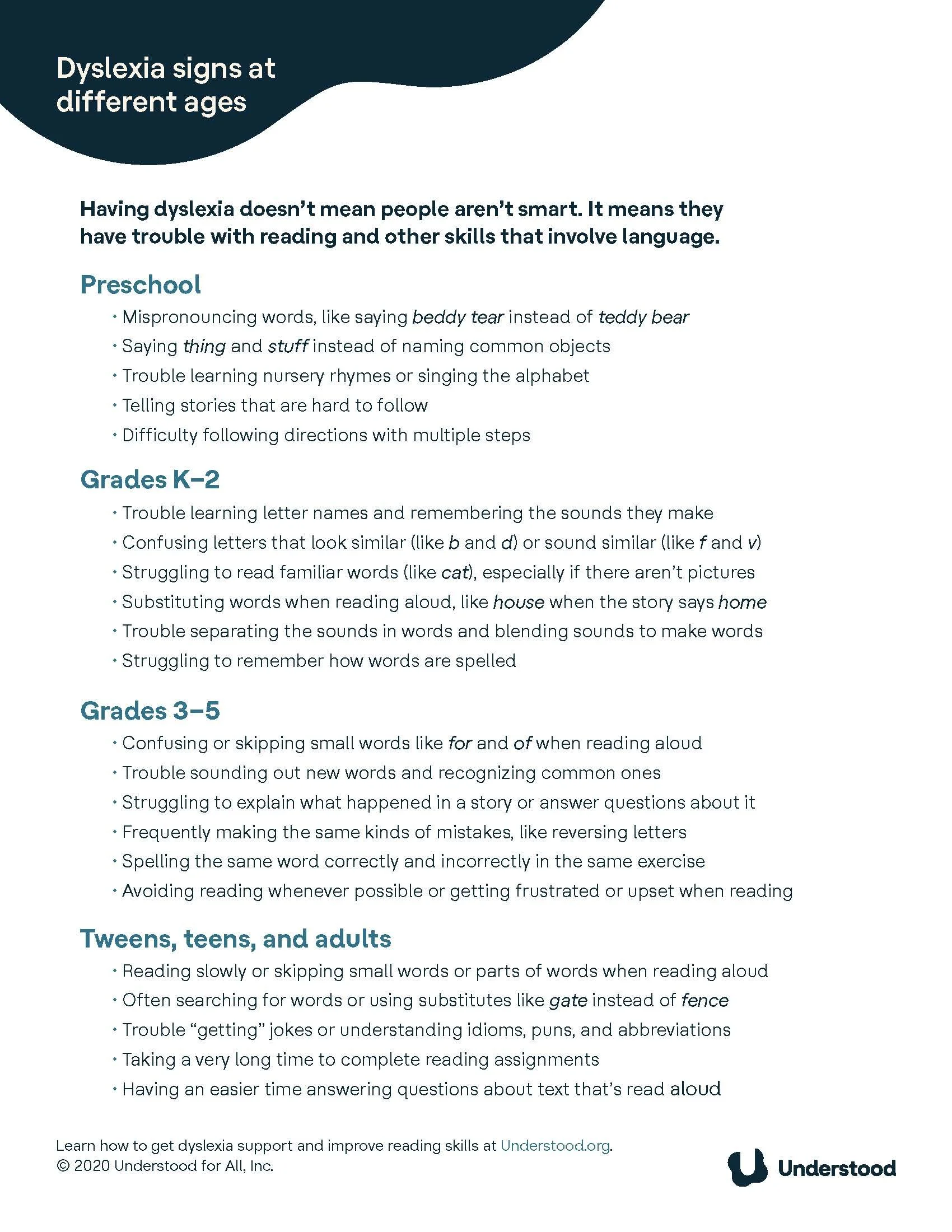

A quick and straightforward description of what dyslexia is and the science behind it.
A great video for students that explains dyslexia in a positive and supportive way.
In this inspiring talk, advocate and educator Dean Bragonier offers a different take on Dyslexia. By looking at the unique mindset of Dyslexics as a strength, Dean reframes a perceived weakness as a powerful tool and teaches us all an important lesson about the power of an open mind and an open heart.
Becoming a physician is hard enough, but MUSC cardiologist John proves that overcoming dyslexia, attention deficit and other processing deficits is not an insurmountable task. John scored zero on his MCAT reading, but is now a doctor.
Hear actress Keira Knightley share her personal experience with dyslexia and the impact that early diagnosis, supportive adults, and skilled teachers had on her success. Her story is a meaningful reminder of why training educators in effective, structured literacy instruction matters.
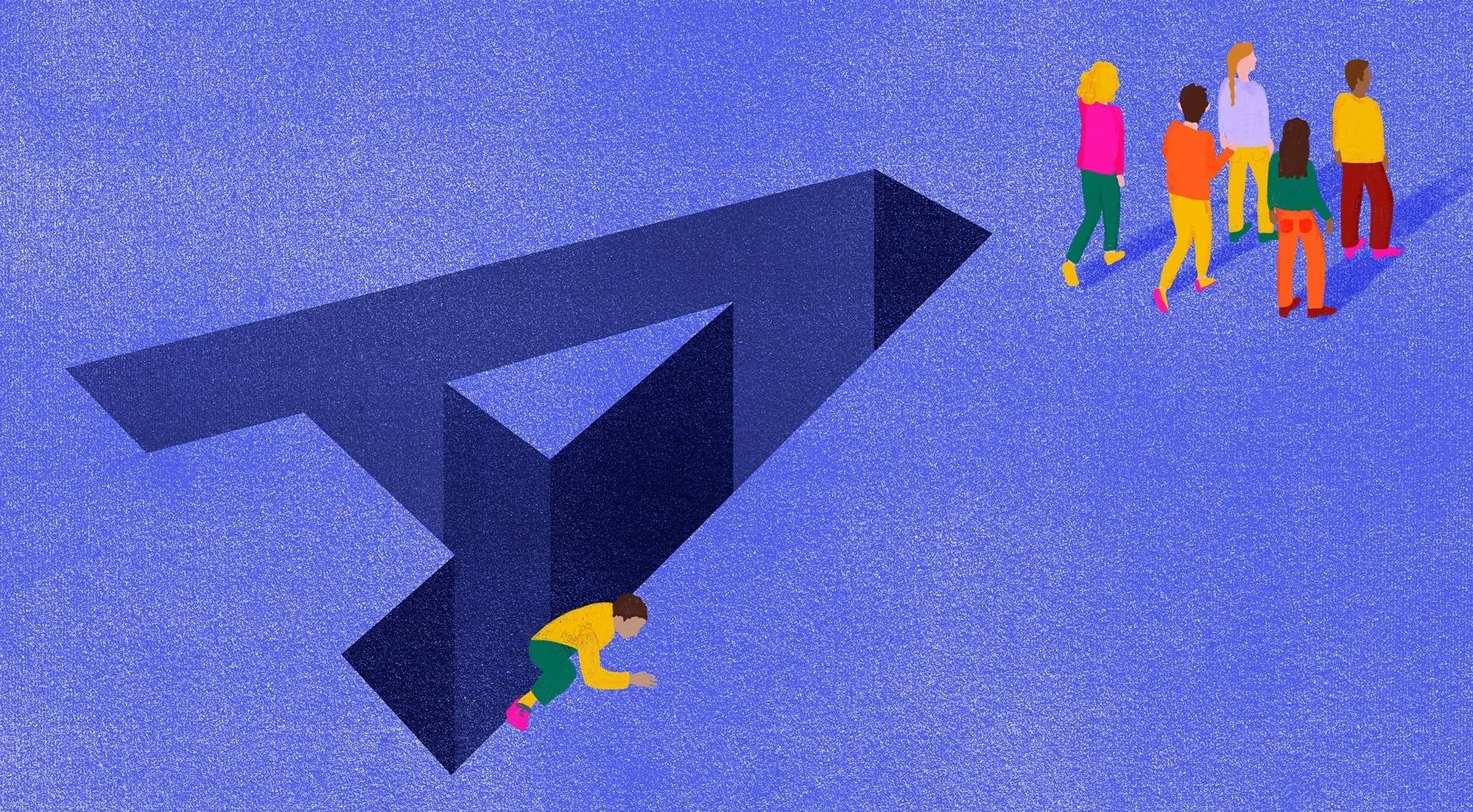
How American schools fail kids with dyslexia

What's wrong with how schools teach reading

Why aren't our kids being taught to read?

Children of color are less likely to get help

Sold a Story is a podcast that investigates the ongoing Reading Wars between phonics, whole language, balanced literacy, and “The Science of Reading.” Throughout the series, listeners hear from teachers, parents and students who felt betrayed by what school leaders, education celebrities, and publishers told them was the right way to teach and learn, only to learn later those methods were deemed ineffective.